
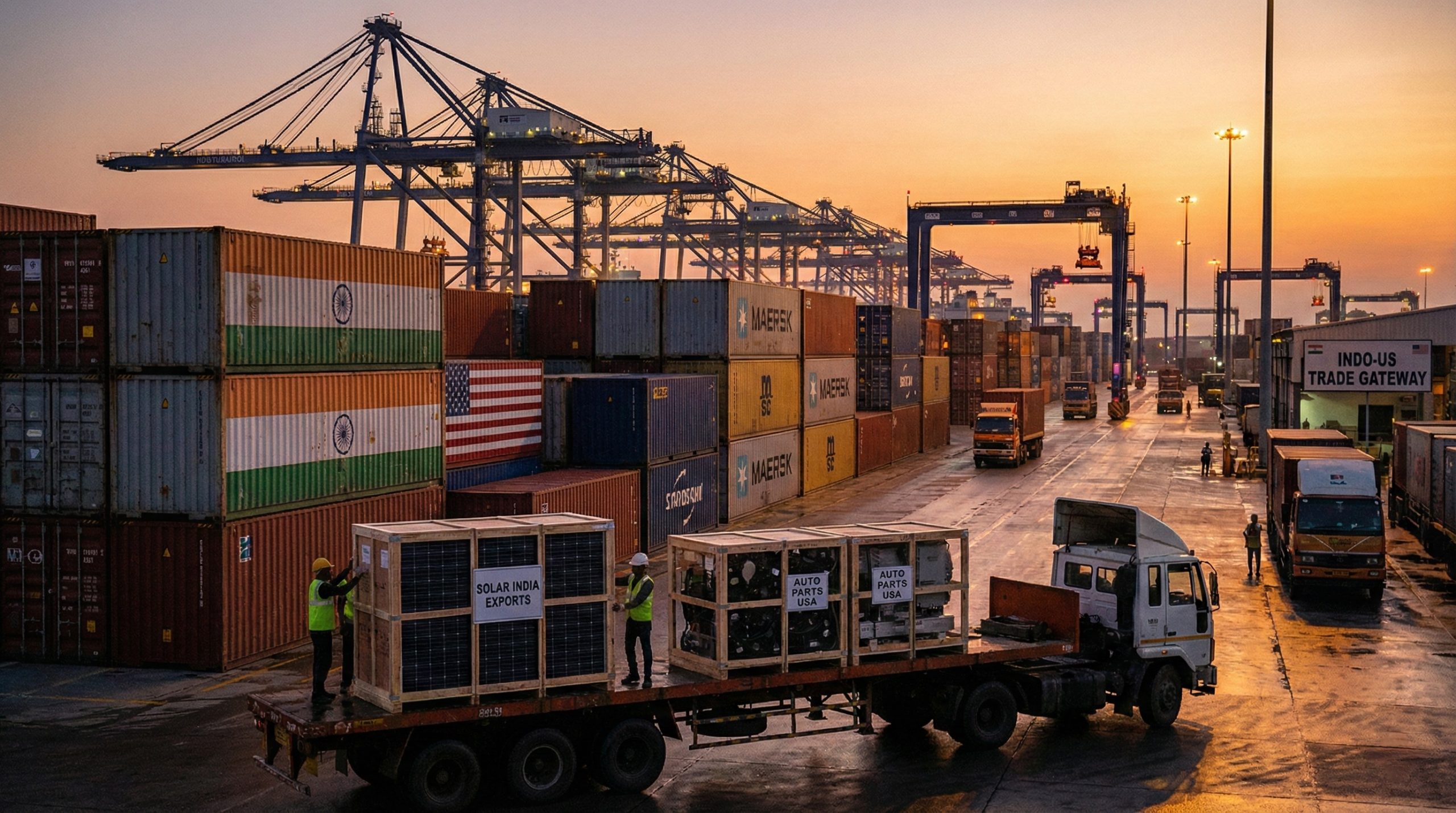
Brokerage firm Jefferies has identified several Indian industries and companies poised to benefit from a potential India-US trade agreement. The analysis suggests that a comprehensive deal could lead to reduced tariffs and improved market access, strengthening bilateral trade and integrating India further into global supply chains.
Potential Boost for Auto Ancillaries
Among the sectors highlighted by Jefferies, auto ancillaries are expected to see a substantial upside. This industry, comprising manufacturers of automotive components, could benefit from increased export opportunities to the US market. Enhanced trade ties may drive demand for Indian-made parts, supporting domestic manufacturing and job creation.
Growth in Solar Manufacturing
Solar manufacturing is another key area expected to gain from a trade deal. As both India and the US prioritize renewable energy and climate initiatives, an agreement could facilitate technology transfer, investment, and market access for Indian solar equipment manufacturers. This would support India’s objective of becoming a global hub for green energy production.
Opportunities in Chemicals and Textiles
The chemicals sector, including both basic and specialty chemicals, is also identified as a potential beneficiary. A trade deal could allow Indian manufacturers to increase supply to the US through competitive pricing and quality standards. Similarly, the textiles industry could experience renewed growth through expanded market access and reduced trade barriers for fabrics and garments.
Adani Group Companies Identified
Jefferies specifically noted Adani Group companies as potential beneficiaries of the shifting trade landscape. The group’s diverse portfolio across infrastructure, energy, and logistics aligns with strategic priorities often addressed in bilateral trade agreements, such as supply chain resilience and infrastructure development.
Implications for Model Portfolios
Reflecting this outlook, Jefferies is reportedly adjusting its model portfolio to align investment strategies with anticipated sectoral shifts. These adjustments involve increasing exposure to companies within the identified beneficiary sectors. Analysts suggest that a successful trade deal would foster long-term investment, technological collaboration, and economic integration between India and the United States.