
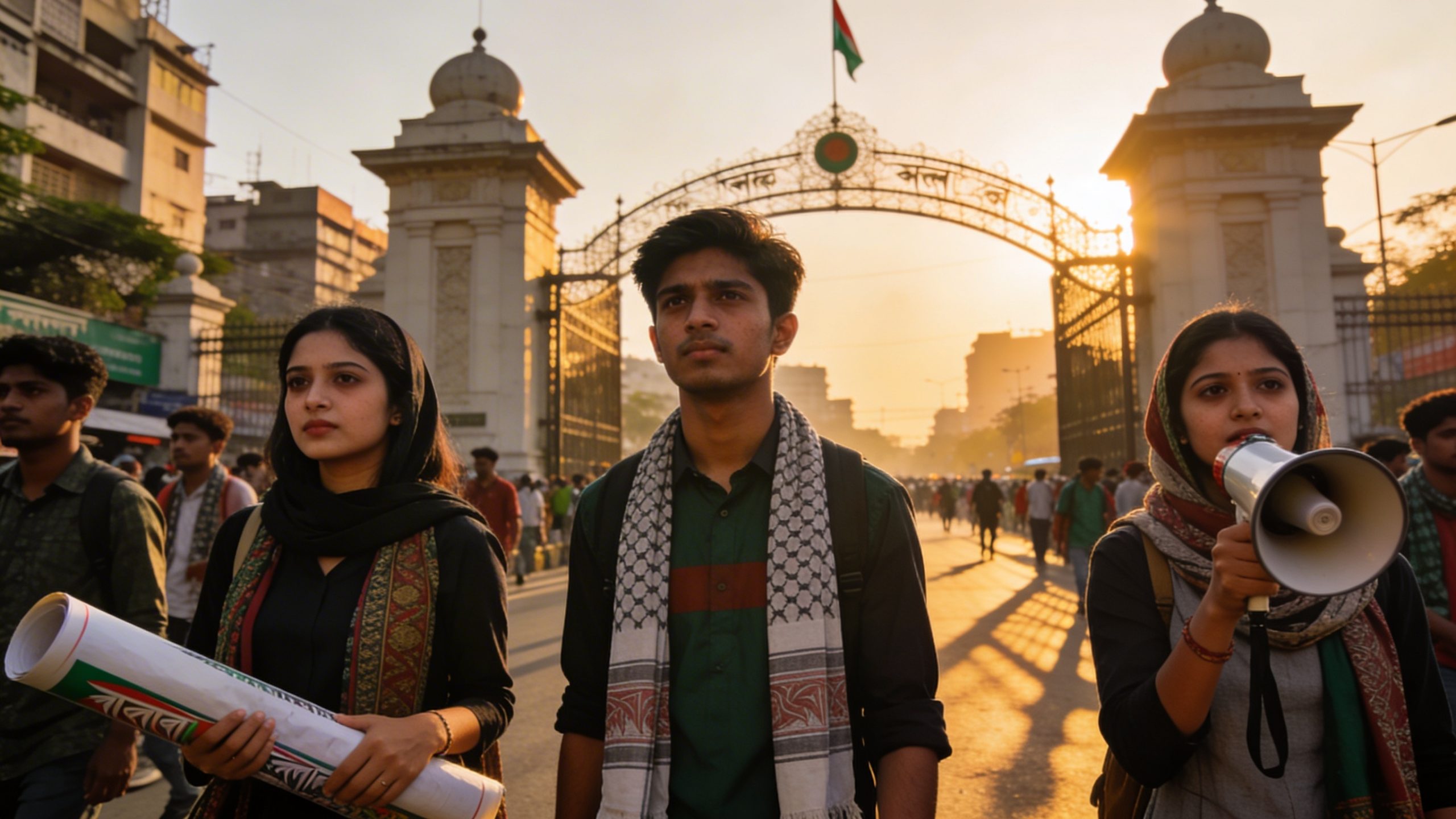
A public gathering in Dhaka on August 5, 2024, highlighted the ongoing political shifts in Bangladesh, emphasizing the significant role of youth activism in national governance. This event follows a period of major transition where student-led movements, often categorized as Gen Z, were instrumental in the departure of the former Prime Minister and the subsequent restructuring of the political landscape.
The Evolution of Youth Activism in Bangladesh
Bangladesh has a long-standing history of student movements shaping its national trajectory, dating back to the language movement and various democratic struggles. Recently, young activists mobilized across the country, driven by socio-economic concerns and demands for governance reform. Their collective action contributed to a significant shift in leadership, establishing the youth as a powerful force in South Asian politics.
While the initial impact of these movements was substantial, the current phase presents a complex transition. Activists are now navigating how to translate street-level momentum into sustained political influence within a formal framework. The energy of the younger generation remains a potent factor as the nation addresses its path forward through new electoral processes.
Recent Electoral Dynamics and the Political Old Guard
Recent cycles in Bangladesh have focused on establishing political stability following periods of public unrest. Observations suggest a consolidation of established political figures and traditional parties, often referred to as the old guard. These structures possess deep-rooted experience in navigating the country’s intricate administrative environment, creating a dynamic tension with the reformist goals of the youth.
Younger demographics continue to advocate for economic opportunity, inclusive political processes, and transparent governance. Their demands often challenge traditional methods, highlighting a gap between the aspirations of newer generations and the existing political machinery.
Challenges and Future for Youth Engagement
Integrating youth-led agendas into formal party platforms remains a significant challenge. Moving from protest movements to electoral politics requires strategic organization and long-term commitment. Beyond direct participation, providing adequate education and employment is vital for harnessing the demographic dividend and ensuring regional stability.
From an Indian perspective, developments in Bangladesh are monitored closely due to shared history and geographical proximity. A stable political environment in Bangladesh is considered essential for regional cooperation and security. The interplay between the energetic youth and the seasoned political class will likely define the country’s future trajectory and its bilateral relations within the region.