
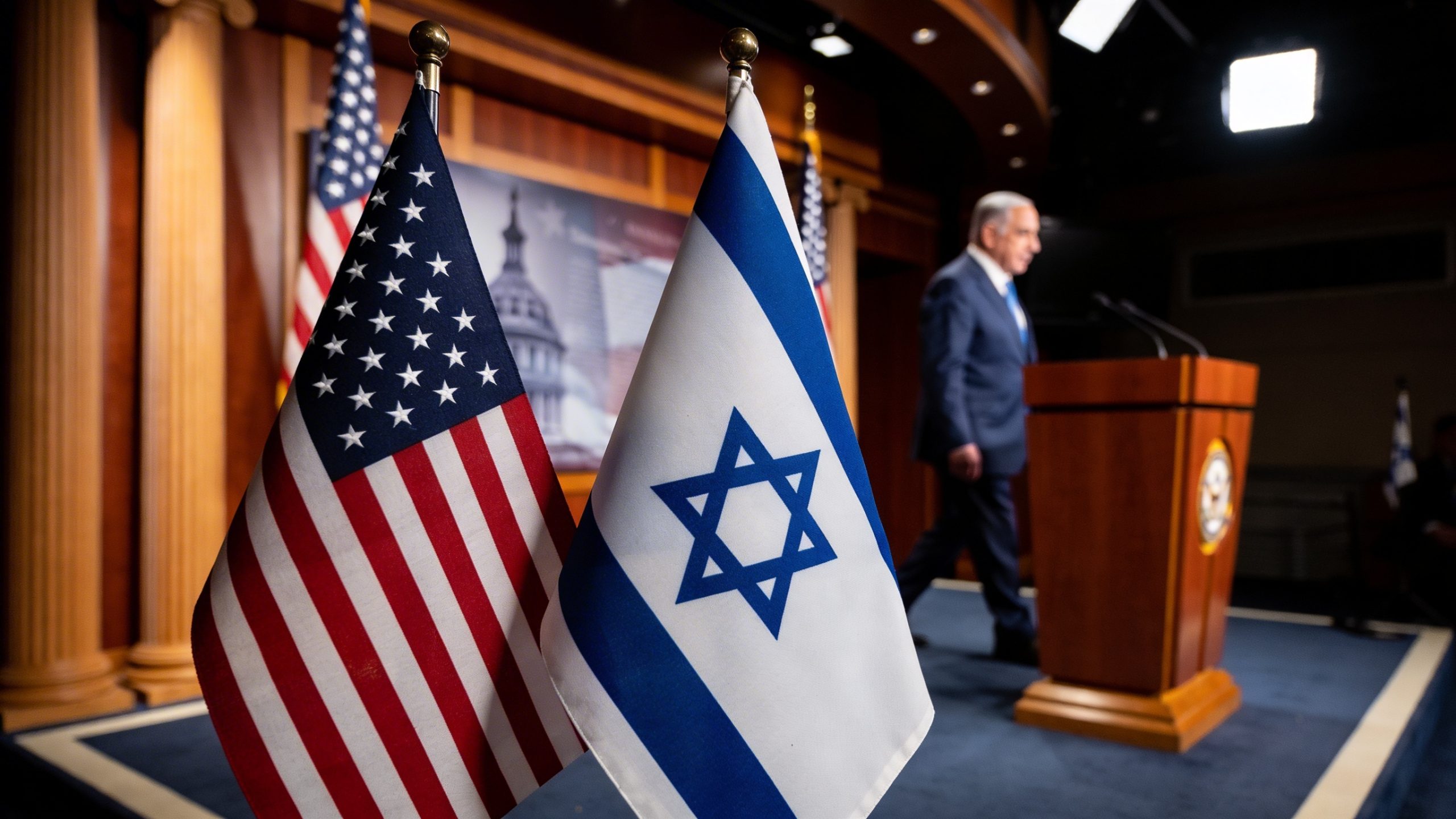
Iran has cautioned the United States that Israeli Prime Minister Benjamin Netanyahu’s upcoming visit could negatively impact potential diplomatic talks between Tehran and Washington. The Iranian foreign ministry expressed concerns that the Prime Minister’s influence might disrupt ongoing or prospective discussions aimed at resolving long-standing regional and bilateral issues.
Iranian Foreign Ministry’s Stance
The Iranian foreign ministry articulated that Mr. Netanyahu’s policies and strategic approach have the potential to hinder delicate diplomatic efforts. According to the ministry, such influence could impede progress on several key points of contention. Tehran views the Israeli leader as a figure whose objectives run counter to achieving a diplomatic resolution between the U.S. and Iran.
Context of Netanyahu’s U.S. Visit
Diplomatic visits by Benjamin Netanyahu to the U.S. are traditionally significant, highlighting the strategic alliance between the two nations. These meetings typically involve discussions on regional security, bilateral cooperation, and specific concerns regarding Iran’s nuclear program. For Israel, maintaining a robust dialogue with its primary ally is considered essential for its national security interests.
U.S.-Iran Relations: A Complex History
The relationship between Washington and Tehran has remained strained for decades, characterized by periods of high tension and limited direct communication. Efforts to engage in negotiations regarding regional stability or nuclear agreements are often met with challenges, including mutual distrust and divergent strategic goals. Iran frequently views external pressures on U.S. policy with high suspicion.
Israel’s Position on Iran
Israel has consistently voiced concerns over Iran’s regional influence and nuclear ambitions. Prime Minister Netanyahu has often advocated for a firm international stance against Tehran’s policies. This position frequently contrasts with diplomatic initiatives that prioritize dialogue. Iran’s latest warning suggests it perceives Israeli advocacy as a major obstacle to constructive engagement with the U.S.
Implications for Future Talks
The warning from Tehran adds a new layer of complexity to the international diplomatic landscape. The possibility of high-profile visits influencing a major power’s negotiating stance remains a significant concern for the parties involved. For future talks to be successful, a stable environment and clear diplomatic channels are generally required. Iran’s public statement reflects apprehension that discussions in Washington may steer American policy away from mutual understanding.